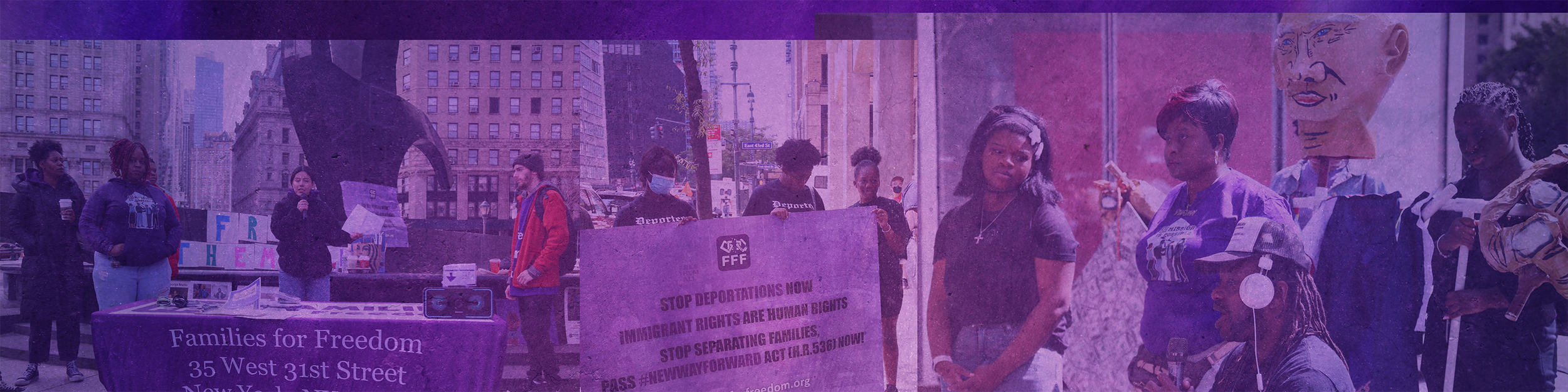
Celebrating over 20 years of fighting for immigrants
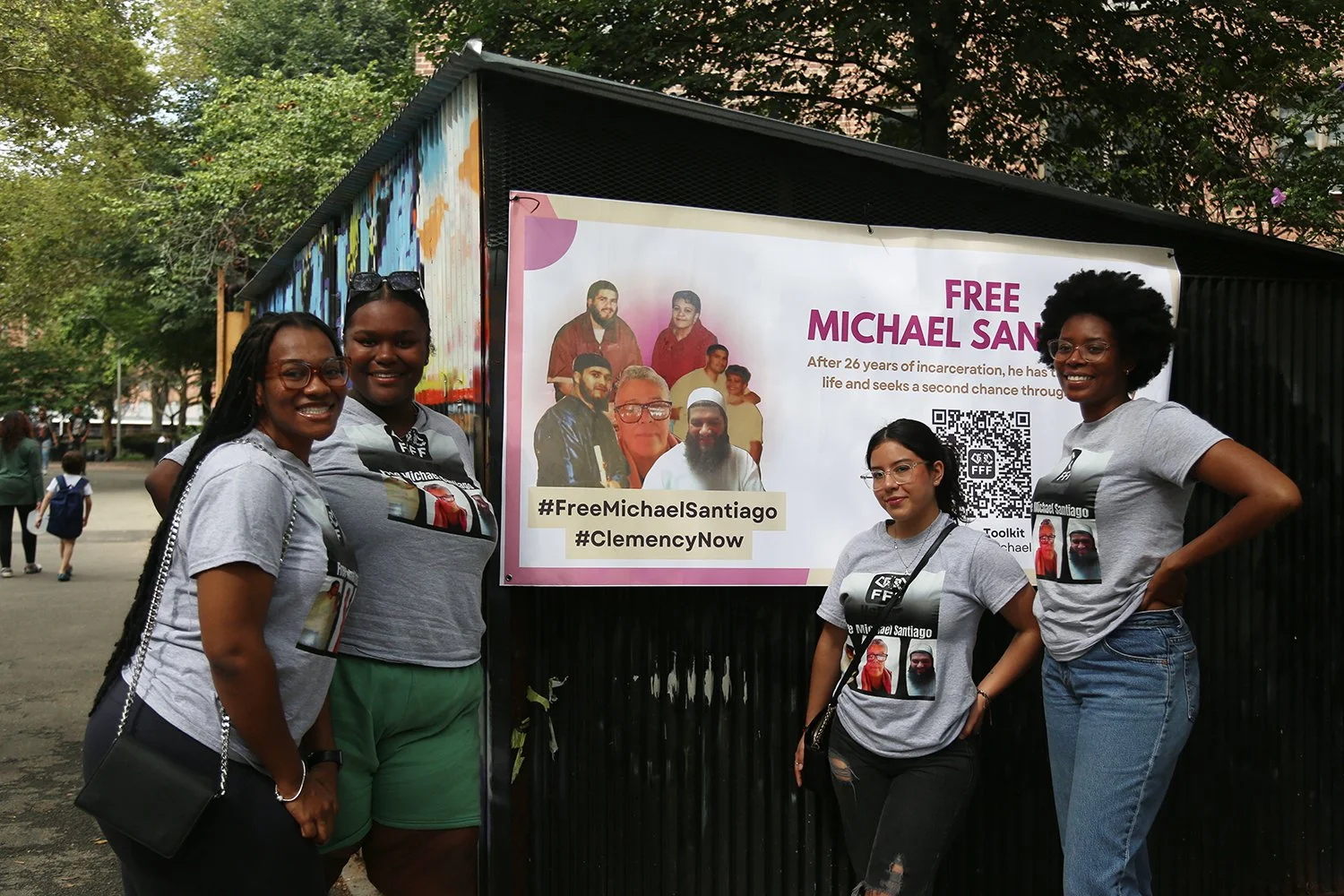
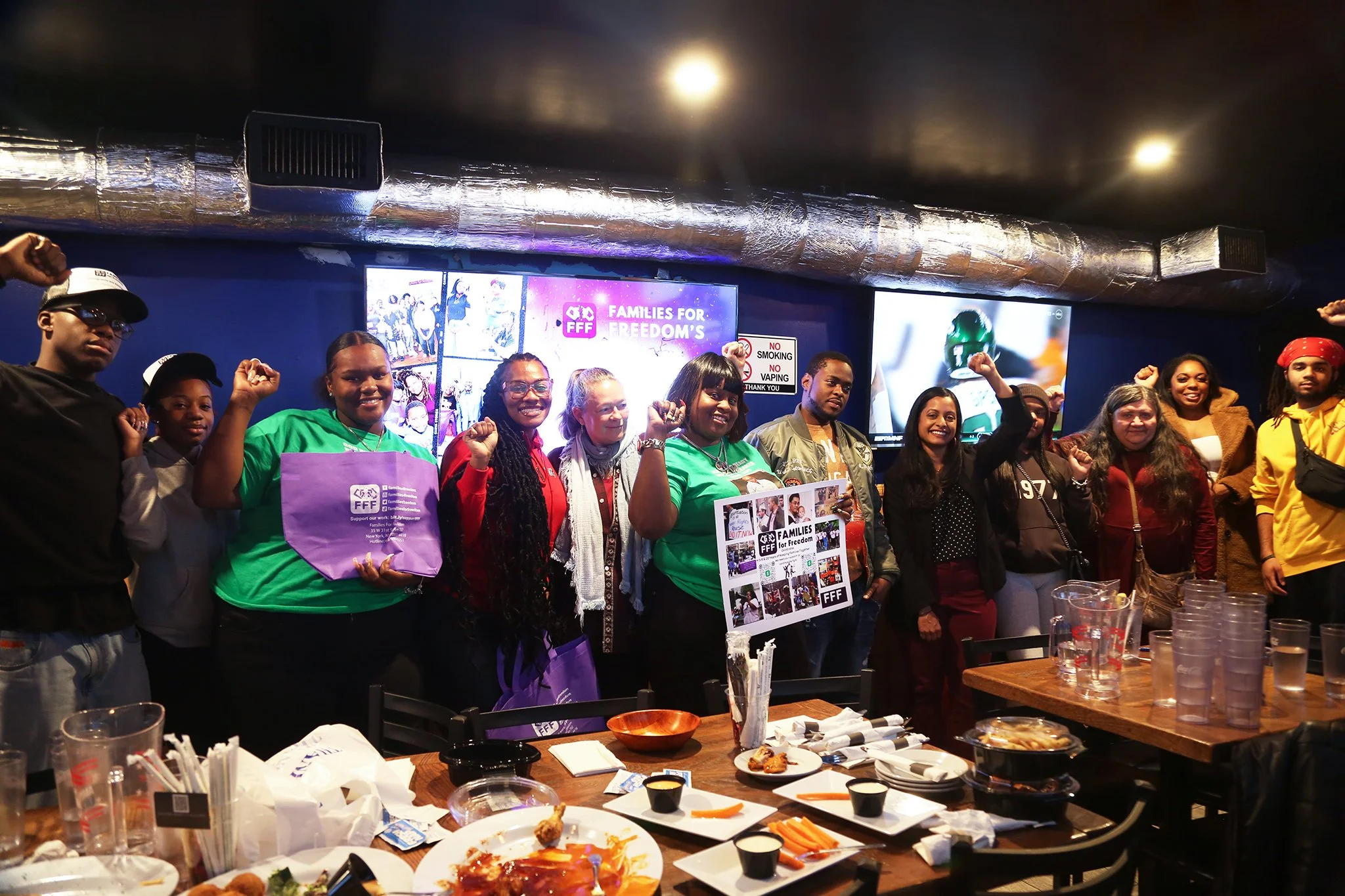
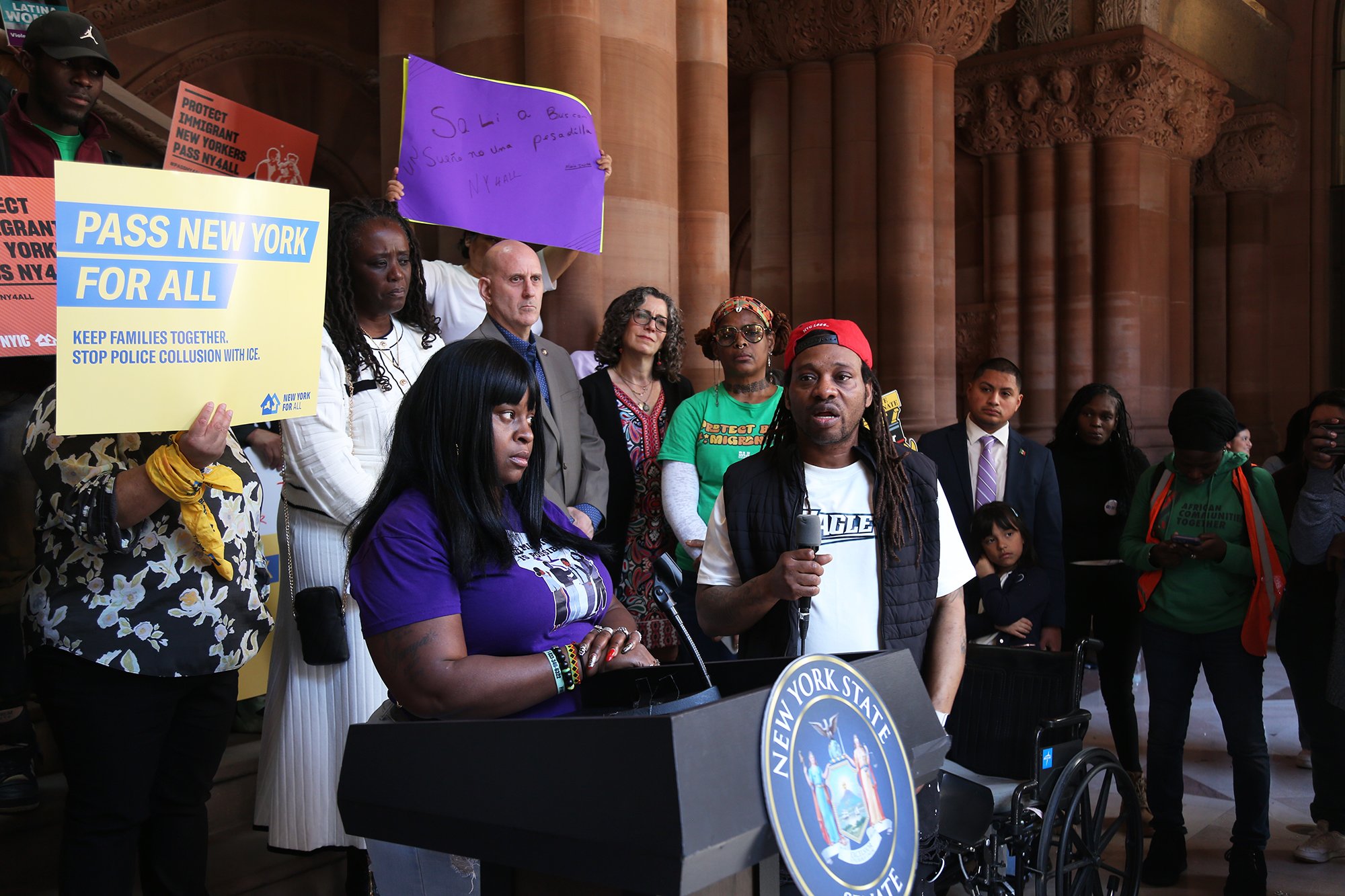

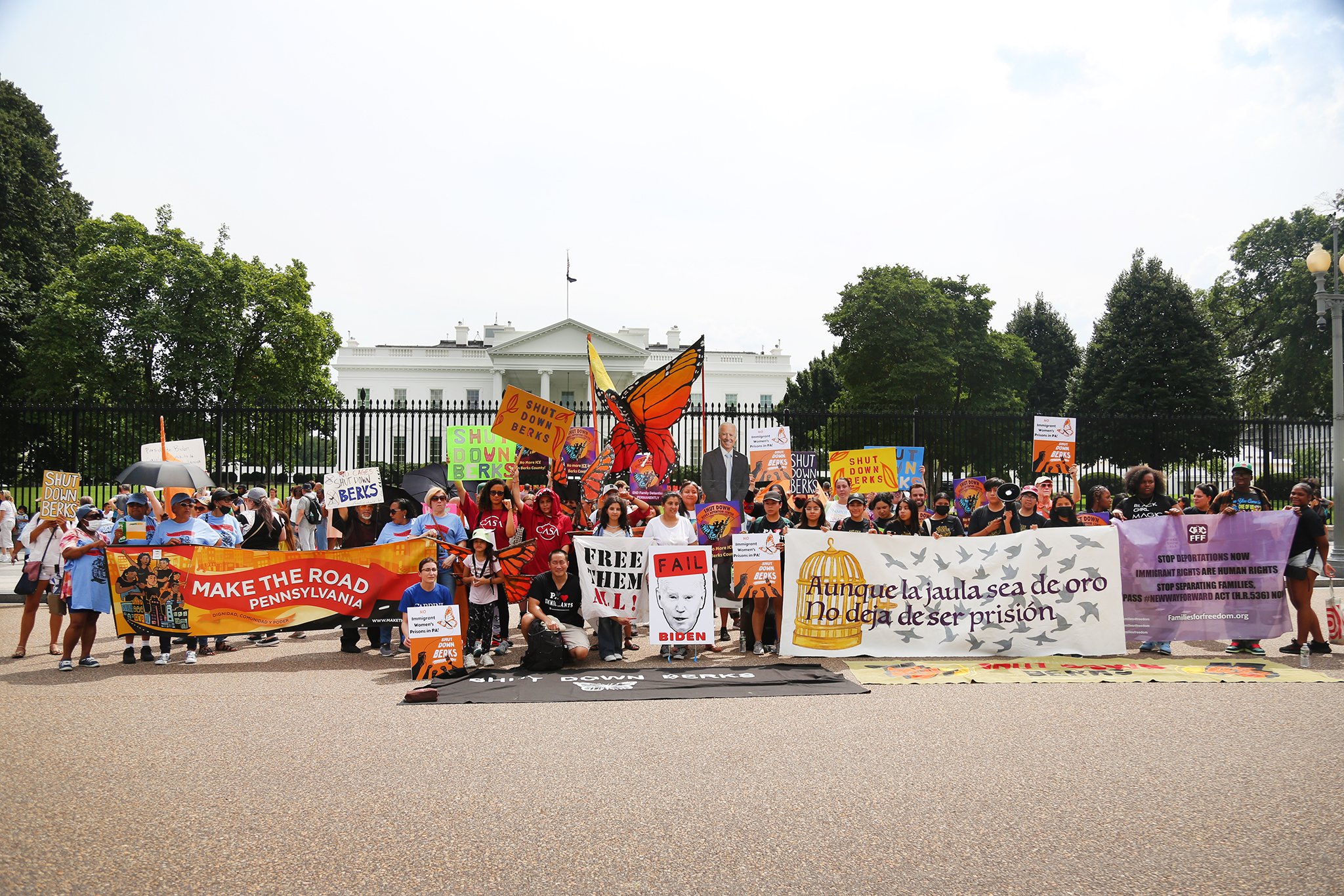

Families for Freedom is a New York-based multi-ethnic human rights organization by and for families facing deportation.
Families for Freedom is an organization led by Black Women, established in 2002. Our primary goal is to challenge policies that cause harm and trauma in minority communities' households and dismantle mass incarceration and deportation systems. We aim to be a guiding voice in the urgent need for just policies against unjust criminal systems. We offer support, education, advocacy, and campaigns for individuals directly affected locally and nationally.
Latest News





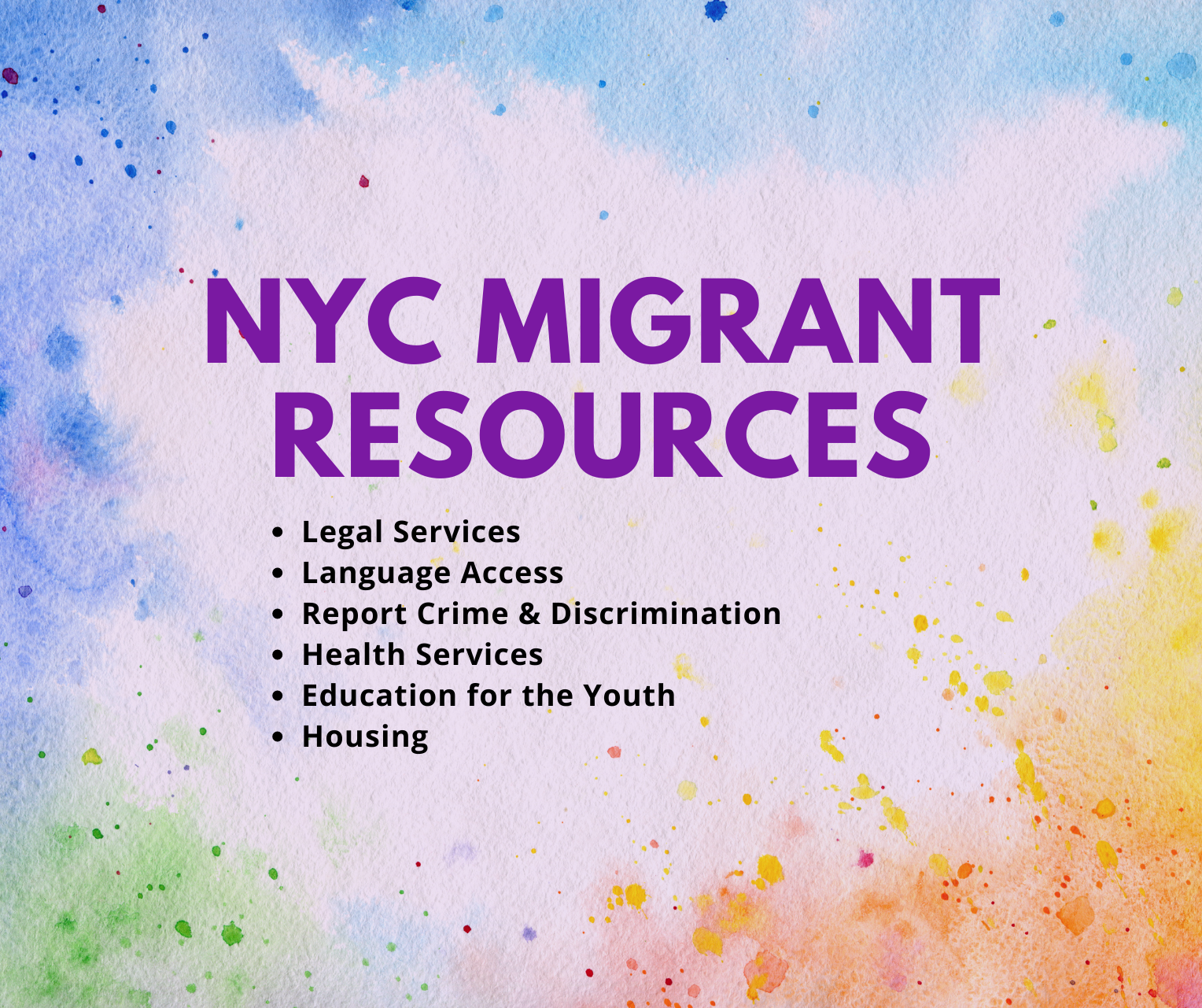
Resources
Need practical tips to help your family through the detention and deportation system? Click below to find our latest materials to fight deportation. Keep in mind, these materials are not meant to substitute legal advice. They are a way for us, as families fighting together, to help one another and educate our communities.
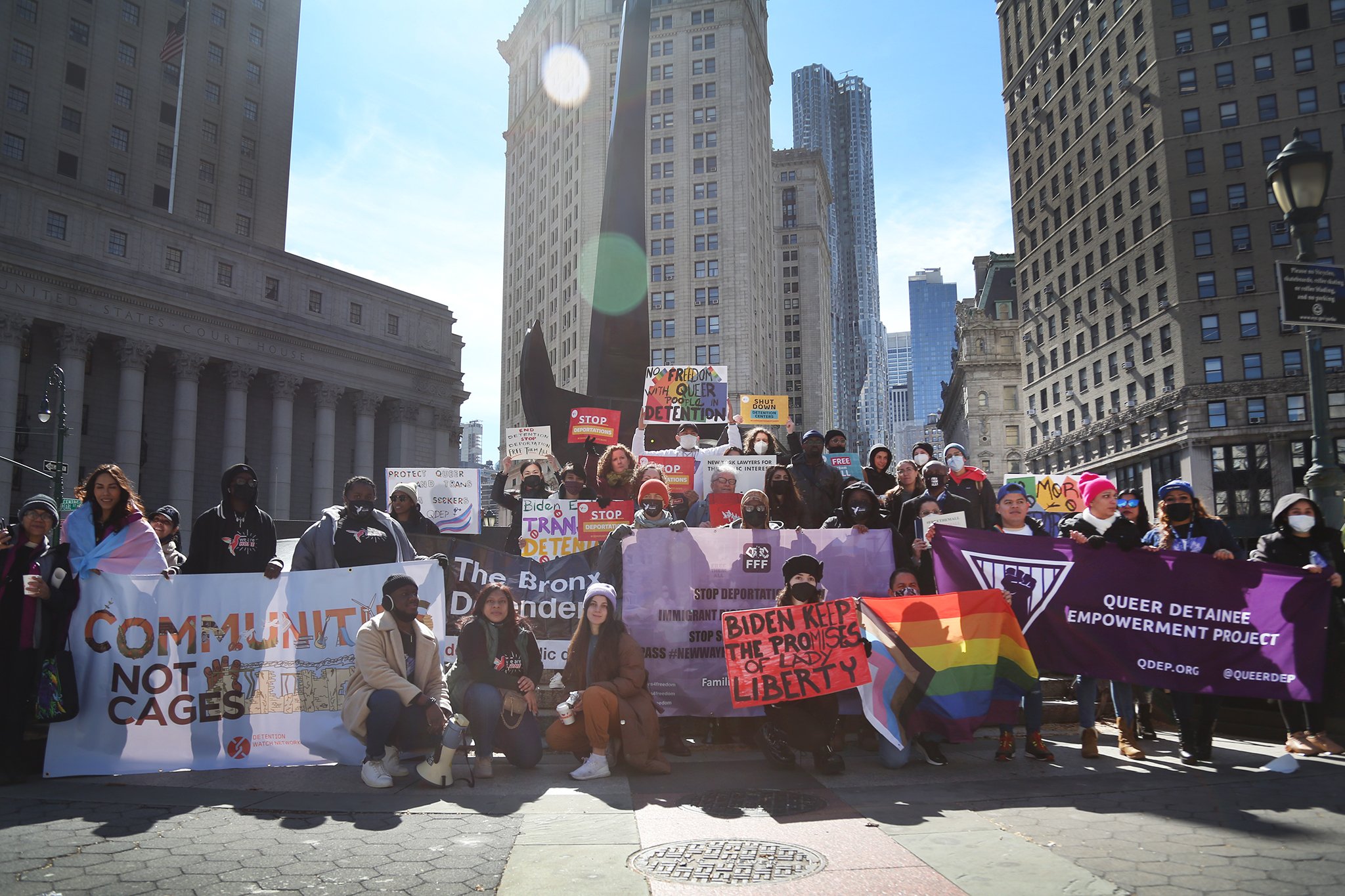
Facing Deportation?
If you or your loved one are facing deportation, please fill out the intake form below and we will contact you as soon as possible.
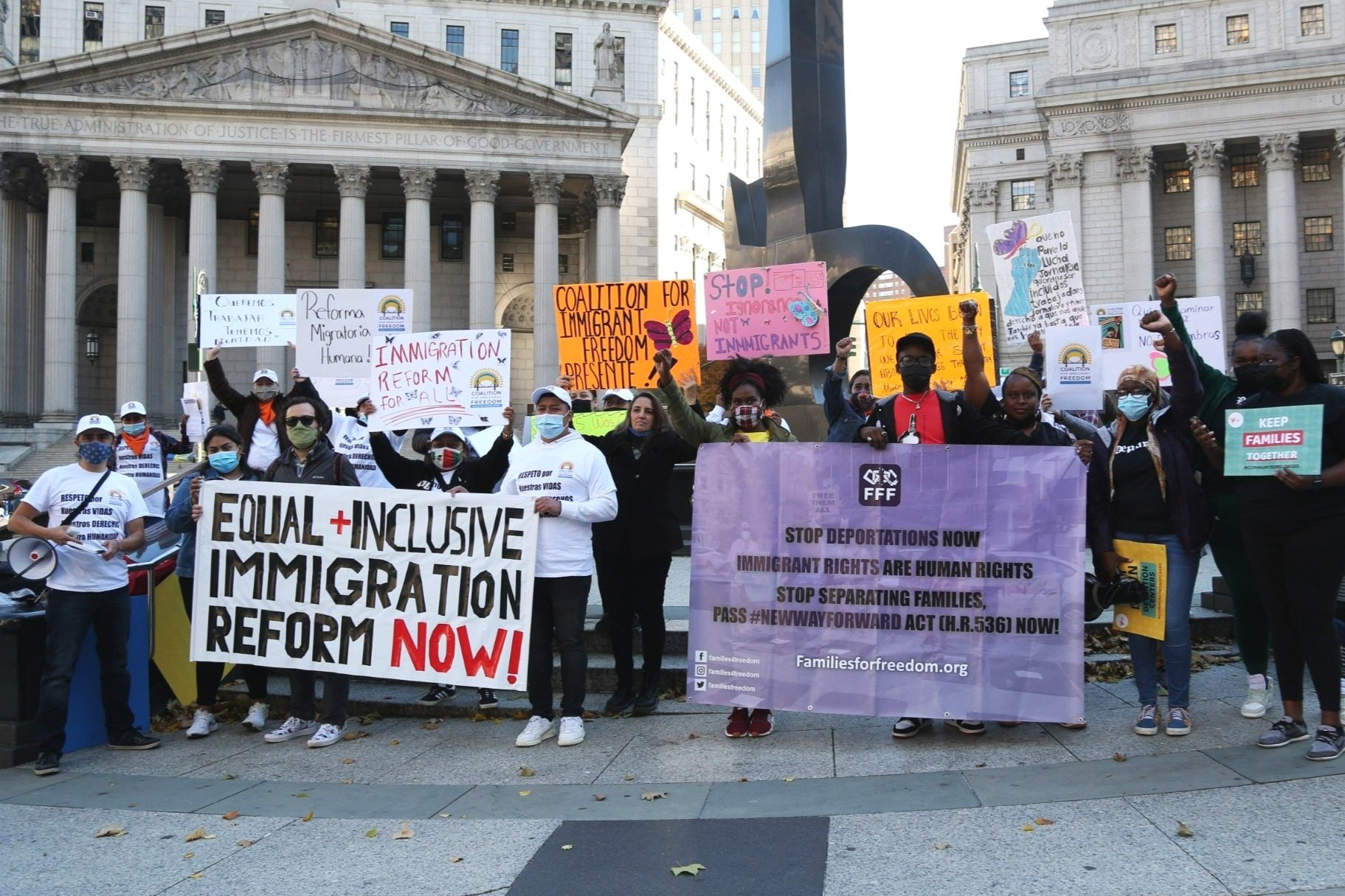
Campaign With Us
Families for Freedom is recognized as a preeminent organizing support center for families affected by criminalization and deportation. By centering the experience and expertise of New Yorkers at the intersection of the immigration and criminal legal systems, we contest social exclusion and develop the leadership of directly affected people in their own liberation. Resisting the labels of ‘Illegal Immigrant’ and ‘Criminal Alien’ that posit us as an exception to U.S. Civil Rights, FFF assert our common humanity by situating our work in a human rights framework (UN Declaration of Human Rights, 1948).